
What Basic Parts Make Up a Roof?
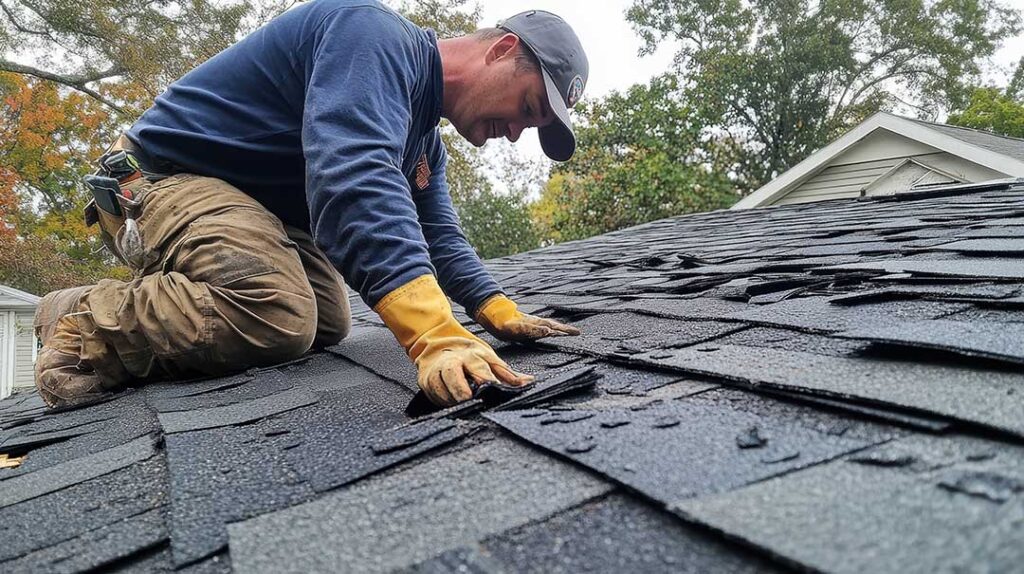
Every roof in Horseheads, NY, has a handful of essential components that work together to keep homes secure from rain, snow, and wind. The primary structural element is the decking (sometimes called sheathing), typically made of plywood or oriented strand board (OSB). This serves as the solid base under the visible roofing materials.
Above the decking, you’ll often find an underlayment—a water-resistant or waterproof barrier, like felt or synthetic sheeting, laid before shingles or other coverings go on. This layer is particularly important for homes in the area, as it adds an extra level of protection from ice dams and heavy precipitation.
The most recognizable part of the roof is the shingles (or tiles, metal panels, or other covering materials, depending on roof style). In most of the city, asphalt shingles are common due to their performance in variable weather.
Flashing—thin pieces of metal or flexible material—is placed around roof features like chimneys and vents to prevent water seepage at joints.
Fascia boards run along the lower edge of the roof, supporting the bottom row of shingles and providing a point for gutter attachment.
Soffit is the material underneath the roof’s overhang and allows attic ventilation, which can help manage moisture and temperature in Horseheads homes.
Why Is Roof Pitch Important?
Roof pitch describes how steep a roof is, affecting both appearance and function. Measured as a ratio of rise (vertical measurement) over run (horizontal measurement), a 4:12 pitch means the roof rises 4 inches for every 12 inches of length.
Steeper pitches shed snow and rain more efficiently, a significant consideration in climates with heavy winter precipitation like Horseheads. Flatter roofs may be more prone to leaks if water or snow sits for extended periods.
Local homeowners sometimes assume pitch is only about aesthetics, but the angle directly impacts not only weather performance but also the type of roofing materials that are suitable and any future repair or replacement costs.
What Are Eaves, Ridges, and Valleys?
These terms refer to the main edges and intersections on a roof:
- Eaves: The overhanging lower edges of a roof, extending beyond the walls. They help direct water away from the foundation.
- Ridge: The highest horizontal line where two sloping roof sections meet. Ridge vents are often installed here for attic ventilation.
- Valley: The V-shaped trough created where two roof sections meet at an inward angle. Because valleys collect runoff, they’re common sites for leaks, especially during spring thaw or heavy rainstorms in Horseheads.
Understanding these terms helps when discussing roof repairs or diagnosing water stains on ceilings.
What Is Ice Damming and How Does It Affect Roofs in Horseheads?
Ice dams form when melting snow refreezes at the edge of a roof, often at the eaves, creating a barrier that prevents proper drainage. Water can then back up under shingles, leading to leaks and interior water damage.
Horseheads households experience significant freeze-thaw cycles each winter, so terms like ice shield (a special waterproof membrane installed at roof edges and valleys) come up in many local roof discussions. Residents often overlook the fact that proper attic insulation and ventilation, not just shingle choice or snow removal, are key to preventing ice dams.
What Do Common Maintenance Terms Mean?
When discussing routine upkeep, you’ll likely hear:
- Granules: The small, colored ceramic pieces on asphalt shingles that protect them from UV rays.
- Blistering: Bubbles or raised spots caused by trapped moisture or heat, signaling potential trouble if found on shingles.
- Curling: The edges of shingles curling up or under, often a sign of age or poor ventilation.
- Delamination: The separation of roofing material layers, reducing effectiveness.
Knowledge of these terms helps area residents spot early warning signs before problems escalate, especially during spring inspections or after storms.
What Do Roofers Mean by “Square” and “Bundle”?
In roofing, a square is a unit of measurement equal to 100 square feet, used to estimate materials and costs. Shingles are typically sold in bundles; three bundles usually make up one square.
Local homeowners wondering about the amount of material required for a new roof or repairs benefit from understanding this lingo, as it enables clearer discussions with roofing inspectors or during property assessments.
What Is Roof Ventilation and Why Does It Matter?
Roof ventilation involves a system of intake and exhaust vents that allow air to circulate through the attic, maintaining balanced temperature and humidity.
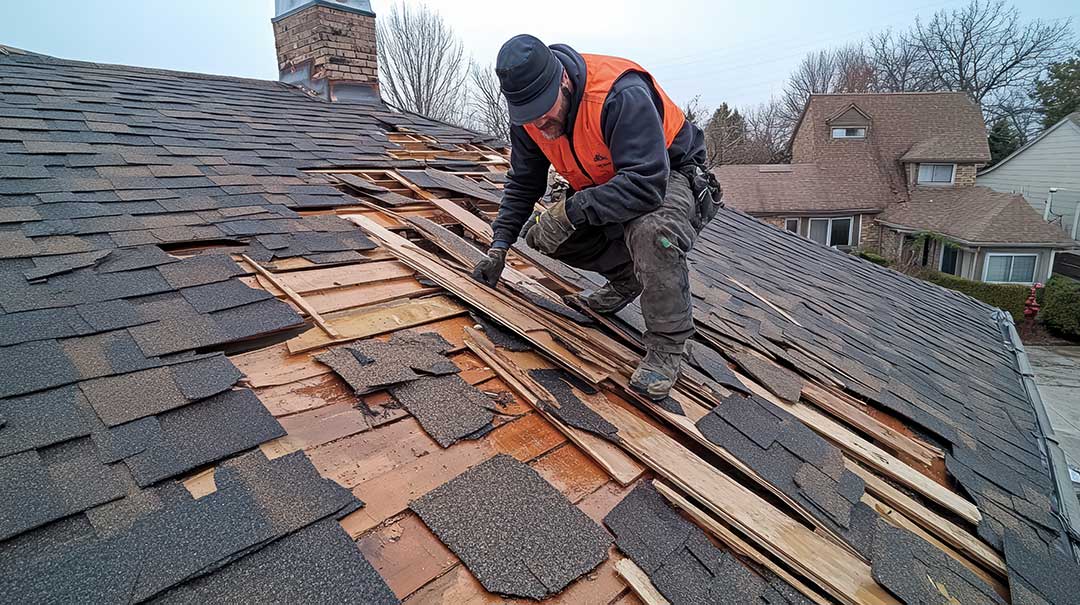
Proper ventilation prevents moisture buildup (condensation) that can lead to mold and wood rot. During Horseheads winters and humid summers, it also reduces the risk of ice dams and heat-related shingle damage.
Key ventilation terms include:
- Ridge vent: Located at the roof's peak, allows warm air to escape.
- Soffit vent: Located under the eaves, brings cool air into the attic.
Confusion sometimes arises because vents are not always obvious from the ground; however, their function is critical for preserving both comfort and structure in local homes.
Are There Any Local Roofing Terms or Materials Specific to Horseheads?
While roofing terms are broadly similar across regions, some aspects are particularly relevant to area residents:
- Ice and water shield: This is required by building codes for many local homes, given the risk of ice dams.
- Architectural shingle: Popular in the city for curb appeal and durability, these thicker, dimensional shingles are preferred over basic 3-tab styles for withstanding Northeast weather.
- Dimensional shingle: Another term for architectural shingles, indicating a layered look.
Homeowners sometimes confuse architectural shingles with specialty styles used in other regions, but they are specifically valued here for their resilience against wind and precipitation.
What Should Homeowners Look for in Roof Inspections?
Even without climbing onto the roof, there are common terms and visible signs to watch out for:
- Missing shingles or tabs
- Granule loss (bald spots)
- Staining or algae growth
- Sagging areas indicating possible structural issues
- Exposed nail heads or popped fasteners
Understanding the language of roof conditions makes it easier for local residents to communicate observations and concerns, whether addressing them solo or in discussion with experts.
