
How Does Installing Solar Panels Affect My Roof?
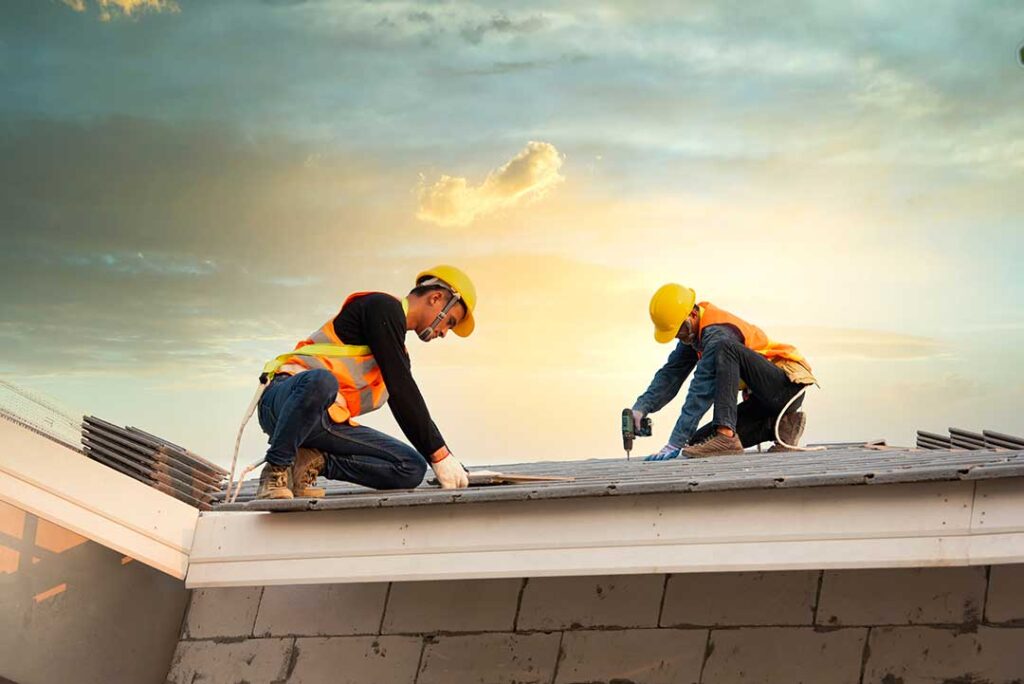
Solar panels can be safely added to most residential roofs, but their impact depends on local weather, roof materials, and roof age. In Horseheads, snowy winters and occasional storms mean it’s especially important to assess the strength and longevity of your roofing before installation. Panels themselves do not damage roofs if installed correctly, but they require structural integrity and compatible roof materials.
Roofing in the city is commonly asphalt shingle, metal, or sometimes rubber on flatter sections. All can support solar, but older or worn roofs may need repair or replacement first. If a roof is nearing the end of its lifespan, it’s wise to address those concerns before pursuing solar energy. Solar panels typically last 25–30 years, so aligning their installation with your roof’s condition prevents extra costs and hassle later.
Does Solar Installation Void Roof Warranties or Insurance?
Most standard roof warranties remain valid when solar panels are installed by a qualified provider using industry best practices. However, always double-check the details in your warranty papers to see if specific materials or installation methods are excluded. Some shingle manufacturers, for instance, have clauses about roof penetrations.
For insurance, many local policies in Horseheads do cover roofs with solar panels but expect the work to be disclosed. Not mentioning the addition could create problems if there’s a future claim. Area residents might consider reviewing their homeowner’s insurance for requirements about solar panels, such as documentation or inspections, before any installation.
What Should You Know About Local Permits and Codes?
Horseheads has its own permitting and inspection process for solar panel installation. Homeowners need to secure proper permits from local authorities before starting work. This ensures the installation meets building and electrical codes, which are adapted to Upstate New York’s climate and safety concerns.
Typical permit requirements include:
- Roof load calculations (to prove the home can support the weight)
- Plans for electrical connections and safety cutoffs
- Inspections during and after installation
Failing to follow these steps can lead to fines or complications when selling a home, as well as issues with utility interconnection.
Is My Roof a Good Candidate for Solar in Horseheads’ Climate?
While solar panels work in most weather conditions, Horseheads’ cloudy periods and snow do affect overall efficiency. However, advances in panel technology mean even homes here can benefit from sun exposure in non-winter months.
Considerations for area homes include:
- Roof angle and direction: South-facing or near-south roofs with angles between 30–40 degrees are best for year-round generation. East- and west-facing roofs can also work, but with slightly reduced output.
- Shade: Large trees or nearby buildings can reduce performance. Having a clear view of the sky over much of the day maximizes system value.
- Snow: Panels will usually shed snow faster than shingles due to their slick surface and dark color, but snow accumulation will temporarily block output during storms. Many residents simply brush off panels if accessible.
What About Roof Maintenance After Solar Panels Are Installed?
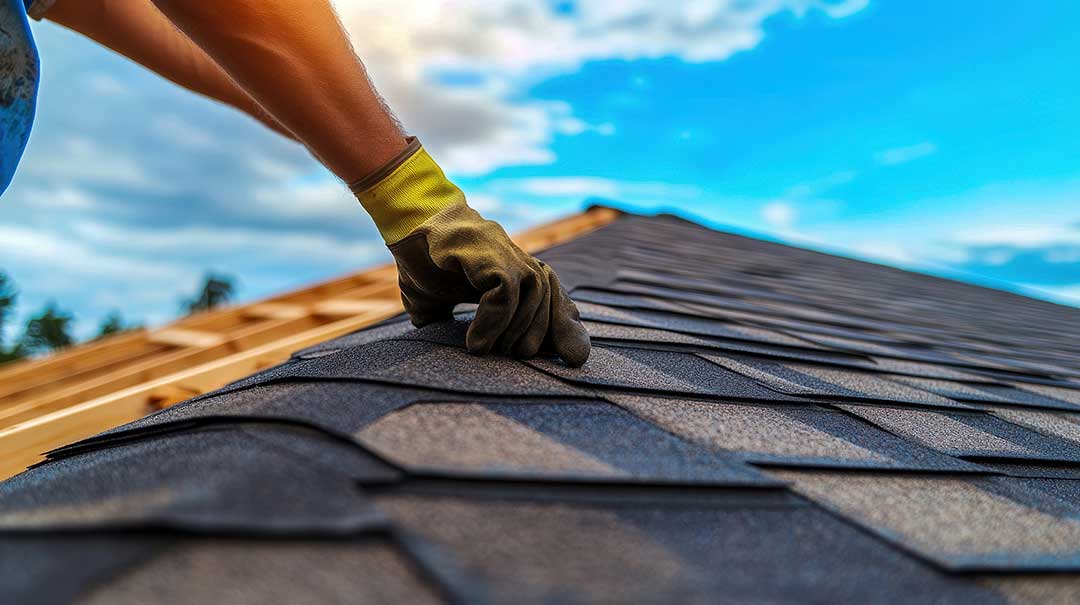
Installing solar panels can make routine roof maintenance a bit trickier, but does not make it impossible. Panels cover and protect the portion of the roof beneath them, often slowing wear in those areas.
Access challenges may occur if repairs are needed directly under panels. Removing and reinstalling panels adds cost. Therefore, it’s smart to:
- Ensure roof repairs and routine maintenance are completed before installing solar.
- Keep gutters and roof valleys clear of debris, as blocked drainage can be harder to spot under panels.
Anyone walking on a roof with panels should be cautious—fall risks are higher with the extra obstructions.
Are There Common Misconceptions About Solar Panels and Roofs?
A misconception in the community is that solar panels automatically cause leaks or structural issues. When mounted with the correct hardware and flashing, leaks are rare. Issues generally arise only from poor workmanship or incompatible roof types, such as some older slate roofs.
Another myth is that solar panels make it impossible to replace a roof. In reality, panels can be temporarily removed and replaced during a reroofing project, though this requires coordination and extra cost.
How Do Household Needs Influence Solar and Roofing Choices?
Each home’s electric demand, roof size, and future plans matter. Families considering additions or remodeling might wish to think ahead to how solar will fit into a new roofline or different roof area.
Solar is often seen as an energy solution, but it also adds weight and hardware to the upper structure of a home. Larger roofs or lower-pitched roofs can more easily handle these loads, but smaller or steeply pitched homes may have fewer options for optimal placement.
What Support or Information Is Available Locally?
Horseheads residents can look to municipal websites or local governing bodies for up-to-date information about permits and local regulations. Some neighborhoods and developments have rules about visible panels or alterations to rooflines—these should be checked before proceeding.
The public library and community centers sometimes host informational events or resource lists for those researching renewable energy and efficiency upgrades.
