
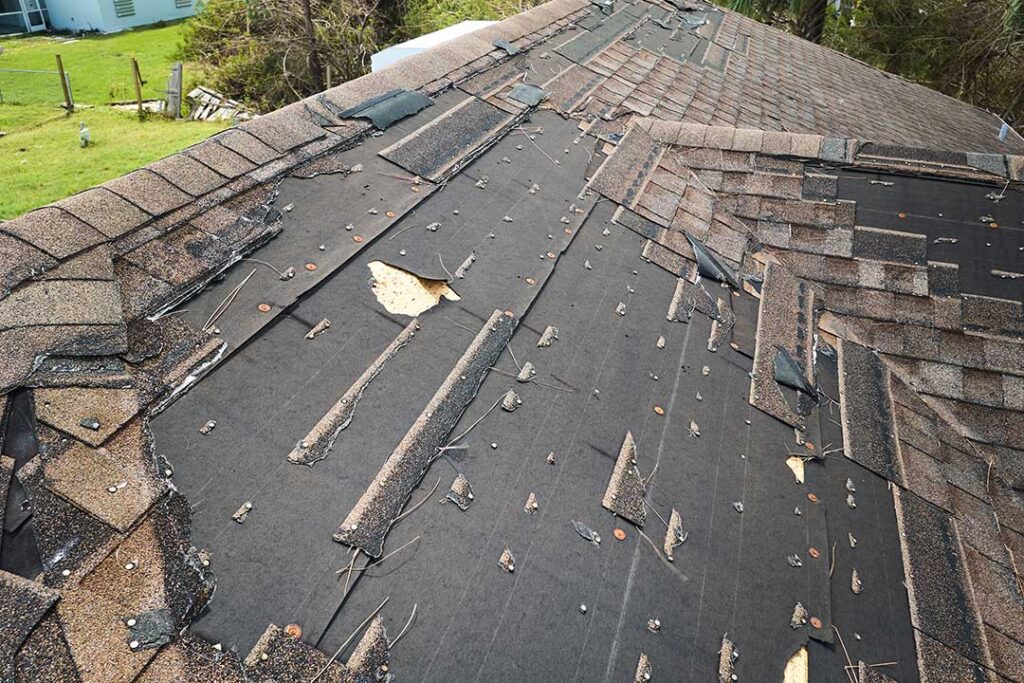
Why Should Local Residents Prioritize Roof Inspections?
Putting off a roof inspection can lead to costly repairs and potential safety concerns for area households. For Horseheads, varying seasonal weather and the mix of older and newer homes mean proactive checks are a smart way to maintain roof health and preserve property value.
Roof inspections help spot small problems before they grow. Snow loads, freeze-thaw cycles, and heavy summer rains are all part of the local climate that can challenge roofing materials. By understanding when and why to schedule an inspection, residents reduce risks tied to leaks, mold, energy loss, and more.
How Often Should Roof Inspections Be Scheduled?
In most neighborhoods, professionals and building experts recommend twice-a-year roof inspections—usually in spring and fall—across upstate communities similar to Horseheads. These times bookend the harshest local seasons, catching damage from winter extremes or preparing for summer storms.
- Spring: Checks for ice dam damage, missing shingles, and moisture buildup after snowmelt.
- Fall: Reveals impacts of summer sun, clears debris from gutters, and ensures readiness for winter.
If it’s been more than a year since the last inspection, sooner is always wiser. Roofs over 15 years old, or those showing signs of prior repairs, may need more frequent attention.
What Weather or Seasonal Factors Affect Timing in Horseheads?
Horseheads has pronounced seasonal variations, and specific climate events can influence when inspections are most urgent.
**Consider:
- Heavy snowfalls:** Can weigh down aging roofs and hide shingle issues.
- Ice dams:** Common after cycles of freezing and thawing; block water drainage and cause interior leaks.
- Windstorms:** Can lift, curl, or displace shingles and expose flashing.
- Extended rain:** Encourages moss, algae, or leaks, especially on shaded sections.
Unusual weather or recent extreme events—such as hail or localized flooding—increase the benefit of a prompt inspection, even if it’s not the regularly scheduled season.
Are There Warning Signs That Warrant an Immediate Inspection?
Certain changes to your home’s appearance or interior comfort are worth investigating without delay.
If you notice:
- Water stains on ceilings or upper walls
- Dripping sounds after storms
- Large sections of missing or shifted shingles
- Sagging in the attic or visible roofline
- Moss, mold patches, or organic growth on shingles
…an inspection should be conducted as soon as conditions allow. Waiting can lead to faster deterioration.
How Do Local Building Characteristics Affect Inspection Timing?
Many properties in the community feature roofs built decades ago, while newer developments may have modern materials. The following factors should inform inspection schedules:
- Older homes: May have hidden vulnerabilities or less durable materials.
- Multi-story or steep roofs: Harder to view from the ground, making frequent checks a smart preventive step.
- Homes with large trees nearby: Overhanging branches increase risk of debris, abrasion, and shade-related moisture issues.

If your property doesn’t fit common patterns, or if roof features aren’t easily visible, err on the side of more frequent inspections.
Can Homeowners Safely Inspect Their Roof?
Visual checks with binoculars from the ground are generally safe and can catch obvious issues. Residents can look for shingle loss, damaged flashing, obstructed gutters, or visible sagging. However, climbing onto the roof carries risks, especially during wet, icy, or windy conditions.
Specific structural concerns—like significant sagging or recent storm damage—could point to hazards that require experienced assessment for safety. If unsure, review what’s visible from the ground and note concerning changes for further investigation.
What Common Misconceptions Lead to Missed Inspections?
A few beliefs sometimes lead area homeowners to delay overseeing their roofs:
- "There aren’t any leaks, so there’s nothing wrong." Many issues (like flashing failures or slow rot) remain hidden until damage is advanced.
- "A new roof doesn’t need checking yet." Even newer roofs can suffer from installation flaws, wind damage, or debris accumulation.
- "Gutters are clean, so everything’s fine." Gutters are just one part—flashing, vents, and underlayment need separate attention.
- "Inspections are only needed after a storm." Regular, scheduled checks catch problems that develop slowly, not just those caused by obvious events.
Awareness of these can prevent costly oversights.
How Do Local Regulations or Insurance Policies Impact Inspections?
Some local insurance policies in Horseheads may require documented roof inspections for claim eligibility or coverage renewals, especially on older homes. While there is no single municipal law mandating private roof inspections, checking with your insurer about any expectations is best practice.
Inspections tied to home sales or remodeling permits are also common in the area, so timing an assessment before listing a home or starting exterior projects is practical.
What’s the Best Routine for Most Homeowners?
For most households in Horseheads, a well-timed routine involves:
- A thorough inspection after winter, once snow and ice are fully gone
- A full check in mid-to-late fall before the first snow
- Additional checks after strong storms, if new leaks, visible damage, or debris accumulations occur
This schedule fits the local climate, housing stock, and typical insurance or maintenance requirements—helping residents protect their investment and avoid preventable headaches down the road.
