
Why Do Moss and Algae Grow on Roofs in Horseheads, NY?
Moss and algae can frequently develop on roofs in Horseheads, NY because of the region’s moist climate, seasonal rain, and extended periods of shade from the area’s mature trees. These growths thrive on damp, cool surfaces—especially in neighborhoods with dense tree canopies or north-facing roofs that receive limited direct sunlight. Shingled roofs, particularly those with organic materials, can be especially vulnerable.
Many residents are surprised to learn that moss and algae are not just an aesthetic issue. Over time, they can cause or accelerate shingle damage, create slippery surfaces, and potentially lead to water leaks. Addressing the issue promptly not only improves curb appeal but also helps prevent costly repairs.
How Can Homeowners Identify Moss and Algae Problems Early?
Early detection is possible by knowing what to look for:
- Algae often appear as dark streaks or patches, usually black or dark green, moving down the roof.
- Moss shows up as a green, velvety clump and is usually most noticeable along shaded or moisture-retaining areas such as roof valleys, under tree branches, or near gutters.
Residents may notice increased growth after a particularly damp spring or a winter with repeatedly melting snow. Checking the roof after these periods and following up after heavy rains can help catch growths before they become widespread.
Is Moss and Algae Removal Safe to Do Yourself?
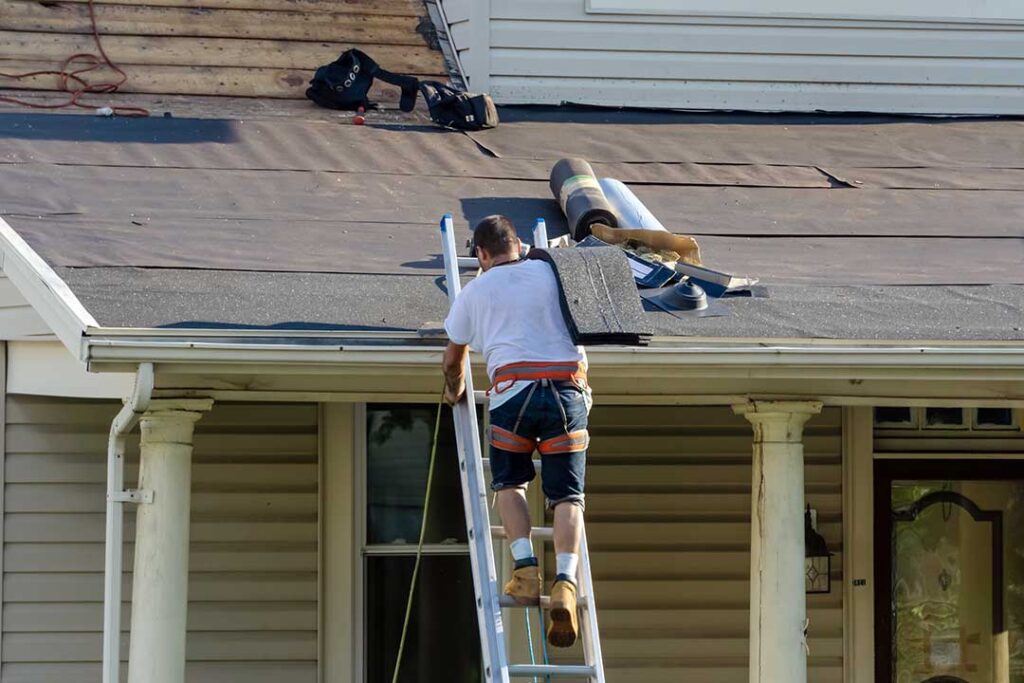
Careful removal is sometimes possible for those comfortable with heights and basic safety practices, but there are conditions where a do-it-yourself approach is not advisable. If the roof is steeply pitched, slippery, or the growth is extensive, the risk of injury or damaging the shingles increases significantly. Furthermore, improper cleaning techniques—such as high-powered pressure washing—can strip protective layers off asphalt shingles and worsen the problem.
For minor growths, area households sometimes use specialized roof-cleaning products, soft brushes, or garden sprayers. It’s critical never to use metal scrapers or stiff tools, which can scrape off granules and void warranties.
What are Effective and Safe Removal Methods?
For light to moderate moss or algae, homeowners often use gentle methods:
- Use a soft-bristle brush, starting at the top of the patch and working downward to avoid lifting shingles.
- Apply a store-bought roof cleaner or a diluted solution of water and bleach (usually one part bleach to three parts water), allowing it to sit for 15-20 minutes before gentle scrubbing and rinsing.
Precautions:
- Protect landscaping by covering plants and thoroughly rinsing them before and after application.
- Limit runoff and never allow chemicals to pool in storm drains or gardens.
- Always check local municipal guidelines for any environmental restrictions on chemical use.
Severe infestations or roofs with significant shingle deterioration generally demand extra caution or more advanced cleaning, which may be best left to experts for safety and shingle longevity.
Can Moss and Algae Growth Be Prevented?
Preventing regrowth is often more manageable than repeatedly removing it. Area homeowners find these steps helpful:
- Trim back tree branches to increase sun exposure and airflow, which naturally dries out the roof.
- Clean rain gutters regularly to prevent water from backing up and pooling at the roof’s edge.
- Install zinc or copper strips near the roof ridge; rainwater washes small amounts of metal down the roof, slowing moss and algae growth.
- Inspect roofs every spring and fall, especially after prolonged wet weather, to address small patches before they expand.
Fungus-resistant shingles are another option—for those planning a future replacement, shingles with embedded copper granules tend to resist streaking and growth for several years.
Are There Local Misconceptions About Roof Cleaning?
Common local misconceptions include:
- Believing moss or algae is just a cosmetic issue and poses no risk to roof longevity.
- Assuming pressure washers are a quick fix, when they actually cause granule loss and compromise shingle integrity.
- Thinking all cleaning solutions are safe for the environment or landscaping, when some ingredients may harm plants, water supplies, or violate local standards.
Residents also sometimes assume any green growth is moss when it may be algae, lichen, or mold, each with slightly different removal and prevention strategies.
How Do Seasonal Conditions in Horseheads Influence Growth?
The mix of humid summers and long winters in the city means roofs can stay damp and shaded for extended periods, which is ideal for moss and algae. Prolonged snow cover melts into roof crevices, encouraging growth early in spring. Once daytime humidity rises, roof surfaces don’t always dry out completely, especially beneath trees or on northern exposures.
Because the local climate amplifies these risks, routine roof monitoring and cleaning in late spring or summer—after debris has been cleared from winter storms—can make a noticeable difference. Residents should be especially vigilant around shaded sections and downspouts.
What Are the Long-Term Effects if Moss and Algae Are Ignored?
If left unaddressed, moss and algae can:
- Trap moisture against shingles, leading to wood rot and leaks.
- Loosen, lift, or break shingles, accelerating the need for repairs.
- Lead to higher energy costs due to degraded insulation value in the attic space beneath affected areas.
- Cause a slippery hazard on walkways when debris falls from the roof.
Over several seasons, heavily affected roofs in the community may face the need for early replacement, which is considerably more expensive than routine maintenance.
