
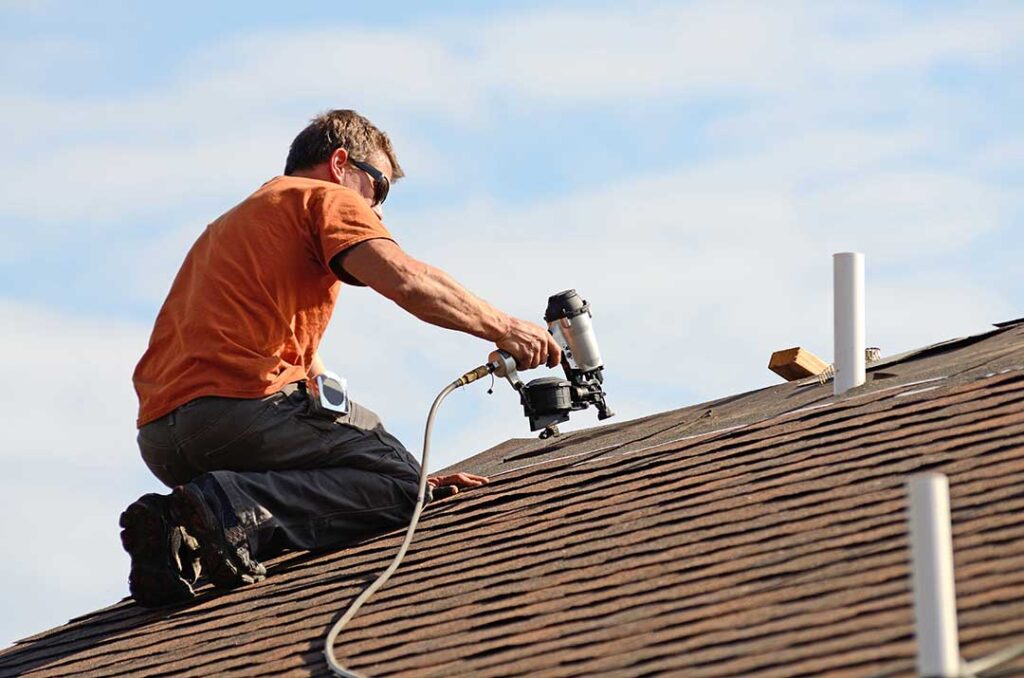
Renovation work can protect, improve, or unintentionally damage a roof. In Horseheads, NY, changing weather, freeze-thaw cycles, snow, wind, and summer thunderstorms make temporary roof protection especially important whenever a project exposes the building envelope.
A roof does not have to be completely removed to be vulnerable. Foot traffic, dropped tools, improperly placed ladders, uncovered materials, and small openings around new work can all lead to leaks or premature wear.
Which renovation activities pose the greatest risk to a roof?
Projects that involve roof access, exterior walls, chimneys, skylights, solar equipment, or attic spaces require extra planning. The most common risks include punctures, cracked shingles, blocked drainage, damaged flashing, and water entering through unfinished openings.
Typical examples include:
- Replacing or adding windows near the roofline
- Building an addition, porch, dormer, or covered entry
- Installing or removing siding
- Replacing gutters, fascia, or soffits
- Adding ventilation equipment, plumbing vents, or electrical conduits
- Remodeling an attic or converting it into living space
- Installing rooftop equipment
- Removing old roofing materials near landscaping or walkways
Even work that takes place below the roof can create problems. Siding and exterior remodeling may loosen flashing or disturb the lower edges of roofing materials. Interior work can also expose attic insulation, roof sheathing, or ventilation paths.
How should the roof be inspected before work begins?
A pre-renovation inspection creates a record of the roof’s condition and identifies weak areas before workers begin. Look for missing or lifted shingles, soft decking, rusted flashing, clogged valleys, damaged pipe boots, and signs of earlier leaks.
Photographs are useful, especially of:
- Roof edges and valleys
- Flashing around chimneys, vents, and skylights
- Gutters and downspouts
- Attic rafters and roof sheathing
- Interior ceilings below roof penetrations
The inspection should also identify areas that cannot safely support foot traffic. Older roofs, brittle shingles, wet surfaces, steep slopes, and roofs with visible sagging require particular caution. If the roof has structural damage or unsafe access conditions, renovation planning should pause until the hazard is evaluated.
What temporary protection should be used during renovation?
Temporary protection should keep water out without trapping moisture or damaging the roof surface. Coverings must be secured for wind but arranged so rainwater can drain away from the building.
A tarp placed directly over shingles is not automatically a safe solution. Loose edges can flap against roofing materials, fasteners can create new holes, and poorly arranged tarps can direct water toward walls or attic openings. Tarps should not be used as a substitute for a properly planned temporary roof covering when a large section of the building will remain exposed.
For smaller projects, protection may include:
- Covering unfinished openings before rain begins
- Using temporary flashing around exposed edges
- Sealing penetrations according to the roofing material and project design
- Keeping building paper or approved underlayment smooth and properly overlapped
- Securing materials so they cannot slide, blow, or scrape across the roof
Temporary coverings need regular checks after strong wind, heavy rain, or wet snow. A covering that looked secure in calm weather may loosen as temperatures change or water accumulates.
How can workers avoid damaging shingles and roof surfaces?
Roof surfaces should be treated as finished materials, not as convenient storage areas. Walking repeatedly over shingles can loosen protective granules, break brittle tabs, and damage seal strips. Heavy stacks of lumber, drywall, tools, or debris can also overload roof sections or scrape the surface.
Use designated walk paths where access is unavoidable, and keep ladders from resting directly against gutters, flashing, or fragile roof edges. Ladder stabilizers and protective padding can reduce pressure, but padding should not conceal a damaged surface or create a slipping hazard.
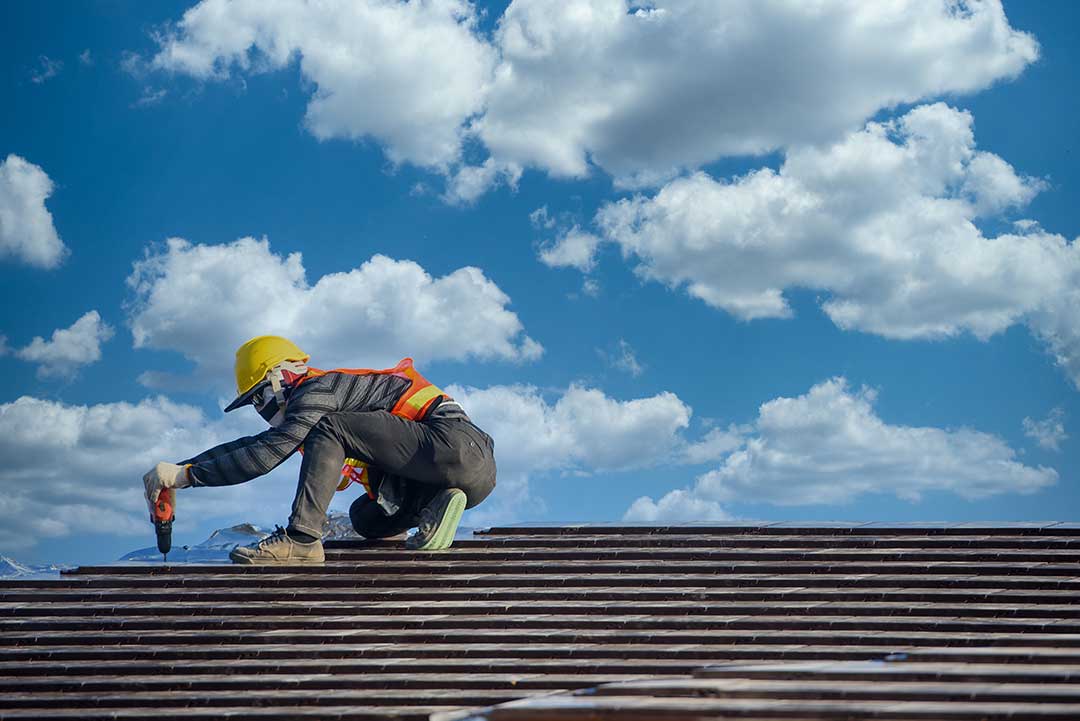
Materials should be lifted and placed carefully rather than dragged. Metal trim, fasteners, saws, and demolition debris are especially capable of puncturing membranes or scratching exposed surfaces.
Roof access should also be limited during rain, frost, snow, and icy conditions. Wet shingles become slippery, while cold temperatures can make some roofing materials more brittle.
How should roof penetrations be handled?
Every new opening through a roof creates a potential leak point. Plumbing vents, electrical conduits, exhaust fans, skylights, and similar features need compatible flashing and careful integration with the existing roofing system.
A bead of caulk alone is not reliable long-term protection. Sealants can shrink, crack, or separate from roofing materials as the roof expands and contracts. Proper flashing directs water around the penetration, while the surrounding underlayment and shingles overlap in a drainage-oriented sequence.
Unused openings should be closed rather than left covered with temporary tape or loose material. If a renovation changes the location of a vent or exhaust outlet, the abandoned opening must be sealed with materials appropriate for the roof assembly.
What should homeowners know about weather in Horseheads?
Weather planning matters because renovation openings can become dangerous quickly. Snow, wind-driven rain, freezing temperatures, and rapid changes between thawing and refreezing can affect temporary protection.
Before removing roofing, exterior sheathing, or flashing, check the short-term forecast and allow enough time to secure the area before conditions deteriorate. A clear morning does not guarantee a dry afternoon, especially during storm-prone seasons.
After precipitation, inspect:
- Ceilings and upper walls for new stains
- Attic insulation for dampness or compression
- Roof decking for darkened areas
- Gutters and downspouts for construction debris
- Temporary coverings for ponding, tears, or loose edges
Water damage may appear hours after the original exposure. A small ceiling mark can indicate moisture traveling along rafters or insulation rather than a leak directly above it.
How can renovation debris be kept from damaging the roof?
Debris control protects both the roof and the drainage system. Nails, shingle fragments, sawdust, insulation, and demolition pieces can collect in valleys, gutters, downspouts, and roof-to-wall intersections.
Use ground-level collection systems when possible instead of tossing materials from the roof. Magnetic sweepers can help collect loose fasteners around work areas, but they do not replace a visual inspection. Gutters should be checked before and after major phases of the project, particularly if the roof has nearby trees or complex drainage paths.
Never wash construction debris into gutters or downspouts. Blockages can cause water to overflow against fascia, siding, windows, and foundations.
When should renovation work stop for safety?
Work should stop when the roof becomes unsafe, the weather changes faster than temporary protection can be secured, or damage is discovered in the roof structure. Warning signs include sagging decking, exposed interior areas, widespread soft spots, active leaking near electrical wiring, unstable ladders, and ice-covered surfaces.
Roof work near electrical lines, structural openings, or significant water intrusion may require qualified assistance because the hazard extends beyond ordinary maintenance. Workers should also follow applicable building, fall-protection, and permit requirements for the project.
Protecting a roof during renovation is mainly a matter of planning the sequence of work, limiting unnecessary traffic, keeping water paths open, and inspecting temporary protection frequently. Those steps help prevent a short-term remodeling project from creating a long-term roofing problem.
