

What Is Roof Decking and Why Does It Matter?
Roof decking, often called sheathing, forms the foundation that supports the outer roofing materials such as shingles, metal panels, or tiles. In residential construction, decking is usually made from wooden boards or panels and is fastened directly to the roof trusses or rafters.
A solid, well-installed deck provides structural stability, helps the roof withstand snow loads, wind, and storms typical of the Finger Lakes region, and serves as the backbone for weatherproofing layers above.
What Materials Are Commonly Used?
In the area, most homes feature one of these options:
- Plywood: Layered wood veneer sheets, known for their strength and ability to resist splitting.
- Oriented Strand Board (OSB): Engineered wood from compressed wood strands and adhesives; widely used for its affordability and uniform properties.
- Plank Decking: Older homes may have 1×6 or 1×8 lumber planks installed side-by-side.
Each material choice impacts roof performance, with plywood and OSB being most prevalent in newer construction.
How Does Local Climate Affect Roof Decking?
Horseheads experiences four distinct seasons, with snow, freeze-thaw cycles, and summer heat. Roof decking in this region must handle:
- Heavy, wet snow in winter, which can stress decking that’s thin, poorly supported, or compromised by moisture.
- Moisture from melting snow or heavy rain, which risks rot or warping if decking isn’t protected by an underlayment layer.
- Fluctuations between cold and warm can cause wood to expand and contract, potentially leading to puckering or lifting if installed incorrectly.
Proper attic ventilation is also crucial here to prevent condensation buildup under the roof deck, which accelerates wood decay.
What Problems Can Happen with Decking?
Several issues may arise, especially in older or storm-damaged homes:
- Sagging: Over time, wet wood or undersized panels can bow between rafters, creating dips in the roof surface.
- Rot and Decay: Leaks, ice dams, or poor ventilation lead to soft spots or crumbly decking, a risk for collapses.
- Delamination and Swelling: In OSB and plywood, repeated moisture exposure may cause layers to separate, reducing load-bearing ability.
Watch for interior ceiling stains, musty attic smells, or visible low spots in the roofline—these can all point to hidden deck concerns.
How Do Local Building Codes and Roofing Standards Influence Decking Choices?
Construction in Horseheads adheres to New York State residential codes, which require:
- Non-combustible roof deck materials in certain situations
- Proper spacing of panels (usually an 1/8-inch gap) to allow for wood expansion.
- Fastener type and placement based on wind uplift and snow loads.
If reroofing, local codes may require full replacement of decking if more than a few boards or panels show water damage, rather than just patch repairs.
Can Homeowners Inspect Roof Decking Themselves?
Some signs of trouble are visible from inside an attic:
- Sunlight shining through gaps or joints indicates missing sections or advanced decay.
- Pressing gently on the deck between rafters—any flexing or crumbling warrants further review.
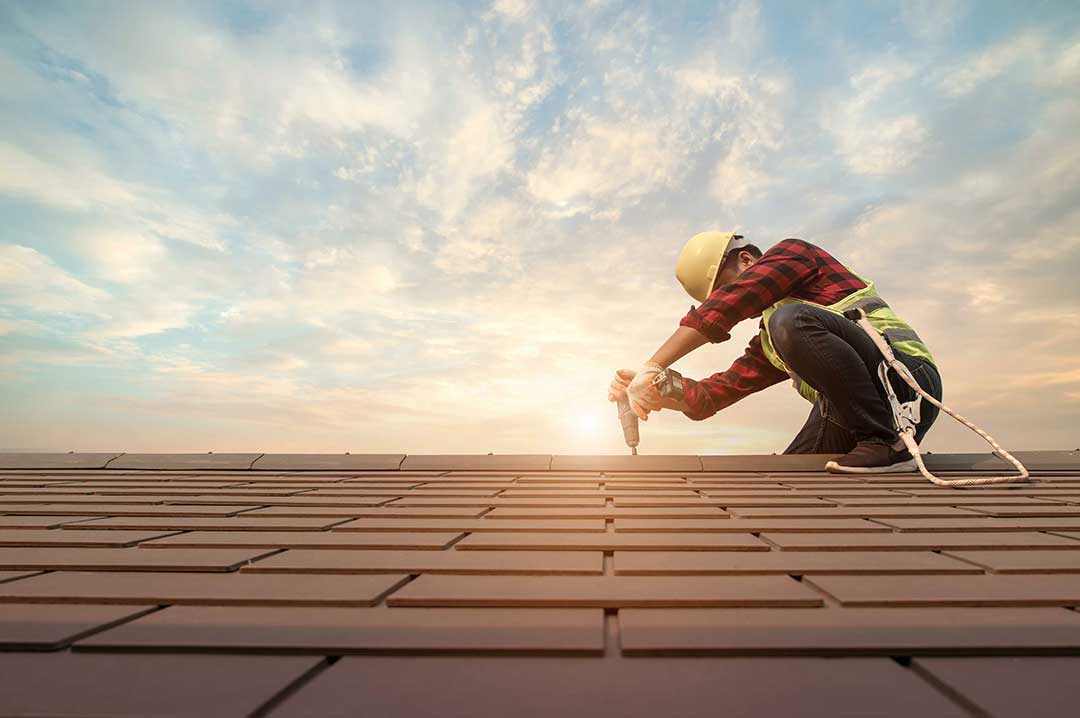
However, full inspection typically requires removing roofing materials. This should only be performed by those with experience and proper safety gear, given the risks of working at height on sloped surfaces.
What Are Common Misconceptions About Decking Replacement?
*Not every roof project needs total deck replacement.* Small, isolated soft spots can sometimes be repaired with matched patches.
Another misconception is that a second layer of shingles can always be installed without removing old materials. In reality, local codes may require a full tear-off to inspect decking, especially after years of leaks or heavy storms.
Assuming the deck is fine because the roof looks flat from outside can also be misleading—some moisture or rot problems are hidden from view until shingles are removed.
How Does Decking Affect Other Parts of the Roofing System?
Roof decking serves as the anchor point for underlayment (like ice and water shield), fasteners for shingles, and crucial protection against fire spread. If decking is weak or not secured tightly, other system components can’t perform as designed, risking premature roof failure or leaking.
For area households considering upgrades like solar panels or heavier roofing materials, it’s important to verify that existing decking can handle any additional weight. This step helps prevent structural overload, particularly in sections with past damage or thinner panels.
What Should Residents Ask About During Roof Work?
Before any major roofing project, it’s wise to inquire about:
- The current state of roof decking—request photos if available after shingle removal
- Whether patching or total replacement is required by local codes
- The planned thickness and material (plywood and OSB panels vary)
- How ventilation and moisture control are being addressed to protect the new deck
Clear answers to these questions help homeowners make informed decisions and extend the lifespan of their new roof.
