

Can Old Roofing Materials Be Recycled?
Yes, many roofing materials from homes in Horseheads can be recycled, though options depend on what type was used and the current condition of the debris. While landfill disposal has been common, recycling helps reduce local waste and supports sustainable building practices.
Most asphalt shingles, metal roofing panels, wood shakes, and tiles from area homes are recyclable in some form. However, some older materials, especially those installed before the 1980s, may contain hazardous substances (like asbestos) that require special handling.
What Roofing Materials Are Most Commonly Recycled?
Locally, the most frequently recycled roofing materials are:
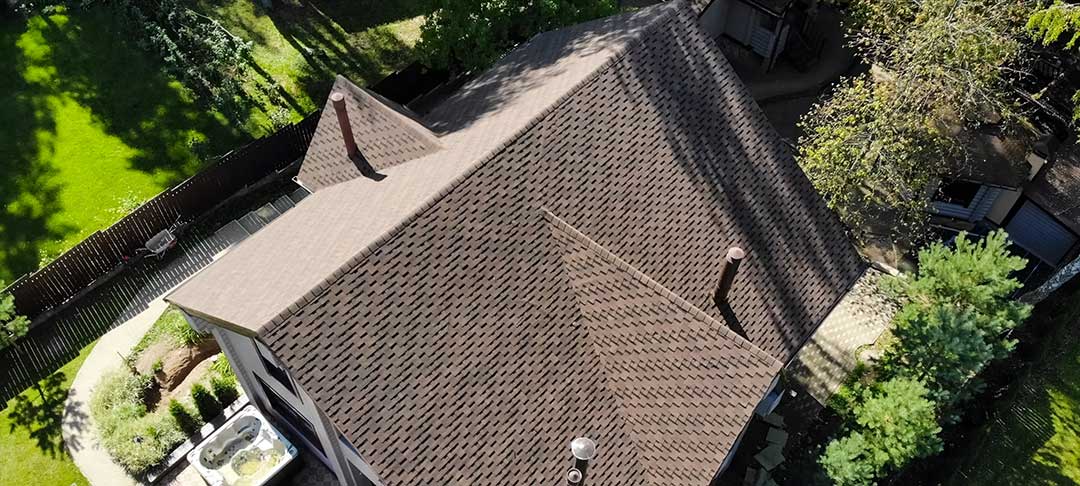
- Asphalt shingles: These make up the majority of residential roofs in Horseheads and can often be processed into pavement or road base.
- Metal roofing: Steel and aluminum panels or flashing can be melted down and reused.
- Wood shakes and shingles: If untreated and free of rot, these may be repurposed or chipped for mulch.
- Clay and concrete tiles: Once crushed, they serve as aggregate for new products.
Each type has unique requirements for recycling, and not all materials will be accepted in municipal programs. Residents should verify which materials are accepted to avoid contamination or rejected loads.
How Are Asphalt Shingles Recycled?
Recycling asphalt shingles means turning old roofing waste into materials used for paving roads or paths. Shingles are collected, separated from non-shingle debris (like nails or underlayment), and ground into pieces. Specialized facilities remove contaminants—magnets pull out nails, and leftover paper or felt is filtered.
The result is a material rich in bitumen, which road crews blend into hot-mix asphalt. Local highway departments often use these recycled shingle mixes for patching or repaving projects. However, successful recycling depends on weather conditions, debris cleanliness, and the absence of dangerous materials like asbestos (sometimes present in very old roofs). Sampling before recycling is often required.
What Should Homeowners Watch for Before Recycling Old Roofing?
Before bringing roofing material to a recycling facility, it’s essential to:
- Check for hazardous materials: Asbestos was commonly used in older shingles, felt, or underlayment layers. If the home was built before the 1980s or if unknown materials are present, professional testing is needed. Asbestos cannot go in general recycling or landfill and requires special processing by law.
- Sort debris: Mixing plastic wrapping, wood, insulation, and shingles causes recycling loads to be rejected.
- Avoid wet or dirty loads: Excess dirt, mud, or snow can complicate processing and result in extra cleaning fees or refusal.
- Contact local waste management: Some recycling programs require advance notice or specific drop-off locations for construction debris.
Where Can Local Residents Recycle Roofing Materials?
Most curbside residential recycling in Horseheads does not accept roofing debris. Instead, residents can:
- Bring sorted materials to regional construction and demolition (C&D) recycling sites if accepted.
- Use special municipal collection days for large debris, when available. These are occasionally organized by the local public works department.
- Seek out transfer stations or C&D landfills with an attached recycling operation.
Due to changing regulations and recycling market demand, local program availability can vary. Checking with the local solid waste authority for up-to-date rules or facility addresses is recommended before transporting a load.
Are There Community or Environmental Benefits to Recycling Roof Waste?
Recycling roofing materials:
- Keeps bulky, non-biodegradable debris (especially asphalt) out of community landfills.
- Reduces the need for new raw materials, such as gravel or petroleum.
- Cuts the volume of waste requiring transport and burial, lessening environmental stress.
- Supports local and regional road maintenance by providing recycled content for asphalt paving.
For the community, it means less litter, smaller landfill burdens, and potentially smoother roads—especially as road crews can apply recycled asphalt locally.
What Are Common Misconceptions About Roofing Material Recycling?
Some area homeowners believe all roofing debris must be sent to the landfill or that recycling is too complicated. In reality, much of it can be recycled with basic preparation.
A few other myths:
- Myth: All shingle recycling is free.
- Reality: Many facilities charge a fee per ton or per load for processing due to sorting and preparation costs.
- Myth: Metal roofing goes in household recycling bins.
- Reality: Large panels or scrap metal must be brought to a special yard—curbside programs typically will not accept this material.
- Myth: Any wood roofing is safe for mulch.
- Reality: Only untreated, rot-free wood is suitable for chipping and reuse; older pressure-treated materials often contain chemicals unsuitable for landscaping.
What Else Should Residents Consider?
Winters in Horseheads bring snow and ice, making roofing projects and debris transport hazardous for part of the year. If roofing removal happens in cold months, take care that materials are not ice-covered or stuck to frozen surfaces, as this may add weight or make sorting difficult.
Additionally, roofing recycling rules can change. Checking the latest municipality guidelines or updates before planning a roof replacement or large cleanup will help ensure compliance and efficient recycling.
