
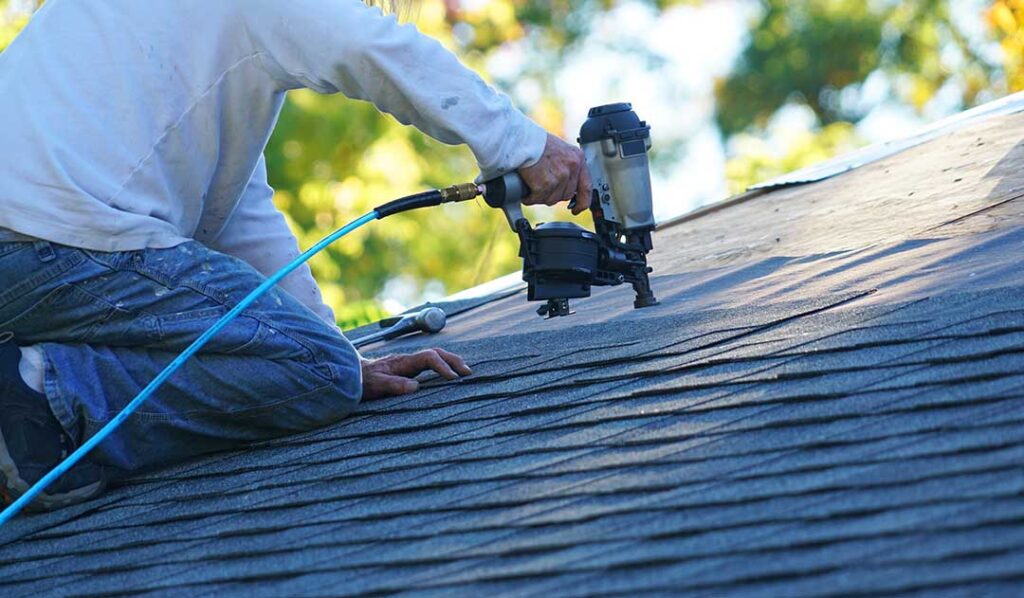
A roof tear-off is the complete removal of existing roofing materials before a new roof system is installed. For homeowners in Horseheads, NY, the process usually involves several stages: preparing the property, removing shingles and underlayment, inspecting the roof deck, making necessary repairs, installing new materials, and cleaning the site.
Understanding the sequence helps explain why a tear-off can create noise, temporary exposure to weather, and unexpected changes in the work plan.
What happens before the tear-off begins?
Before removal starts, the work area is prepared to protect the home and surrounding property. This may include covering shrubs, landscaping, siding, windows, doors, decks, and outdoor equipment.
Roofing materials are often staged near the house, and access to driveways or walkways may be limited. Vehicles, patio furniture, grills, children’s toys, and other movable items should be relocated away from the work zone. Vibration from foot traffic and removal tools can also cause dust or small particles to appear in attics, garages, and upper-level rooms.
The roofing crew may also identify locations for material delivery, debris collection, ladders, and temporary safety equipment. Residents should expect a significant amount of noise, especially during the removal of shingles, flashing, and roofing fasteners.
How are the old roofing materials removed?
A tear-off generally begins at the roof edges and proceeds upward across each roof section. Workers remove shingles, ridge materials, underlayment, flashing, and exposed fasteners. If the roof has more than one layer, the removal process takes longer and produces more debris.
Older homes may have several generations of roofing materials beneath the visible shingles. Although local building rules commonly limit the number of roofing layers that can remain, actual conditions vary. A complete tear-off allows the roof deck and underlying details to be examined instead of covering possible problems.
The old material is placed into containers or piled for removal. Small debris can travel beyond the immediate work area, which is why cleanup usually continues throughout the project rather than waiting until the end.
Why might the work reveal additional repairs?
A roof cannot be fully evaluated until the roof covering is removed. The deck may show signs of water damage, rot, delamination, cracked plywood, loose boards, or sagging around penetrations and valleys.
Common trouble areas include:
- Around chimneys, plumbing vents, and roof windows
- Along valleys where multiple roof slopes meet
- At eaves and rakes exposed to repeated moisture
- Beneath areas with long-term leaks
- Around poorly installed flashing
- Near roof edges affected by ice buildup
Not every dark stain means the roof deck needs replacement, and not every damaged board is visible from below. Repairs should be based on the condition of the actual decking and supporting structure.
Additional work is not automatically evidence of poor planning. Some conditions simply cannot be confirmed until the old roof is removed. A clear explanation and documentation of the affected areas can help homeowners understand changes to the project.
How does local weather affect a roof tear-off?
Weather is one of the most important scheduling factors in Horseheads. Rain, snow, freezing temperatures, strong wind, and rapidly changing conditions can interrupt removal or limit how much roof can safely be exposed at one time.
A roof tear-off should not leave the home open to the weather overnight without appropriate temporary protection. If a sudden storm develops, exposed sections may be covered with securely fastened protective materials. Temporary coverings are designed to reduce risk, but they are not a substitute for completed roofing.
Cold weather can also affect how certain roofing materials seal and perform. Ice and snow around roof edges require additional care because repeated freezing and thawing can contribute to leaks, damaged flashing, and deteriorated wood.
Homeowners should ask how weather delays will be handled, which areas will be protected at the end of each workday, and what conditions would require work to stop.
What happens after the roof deck is inspected?
Once the old materials are removed and the deck is considered sound, the new roof system can be installed. Although the visible shingles receive most of the attention, the full system may include:
- Drip edge at roof edges
- Ice-barrier materials in required areas
- Underlayment across the roof deck
- New flashing where roof surfaces meet walls or penetrations
- Ventilation components
- Shingles or another approved roof covering
- Ridge and hip materials
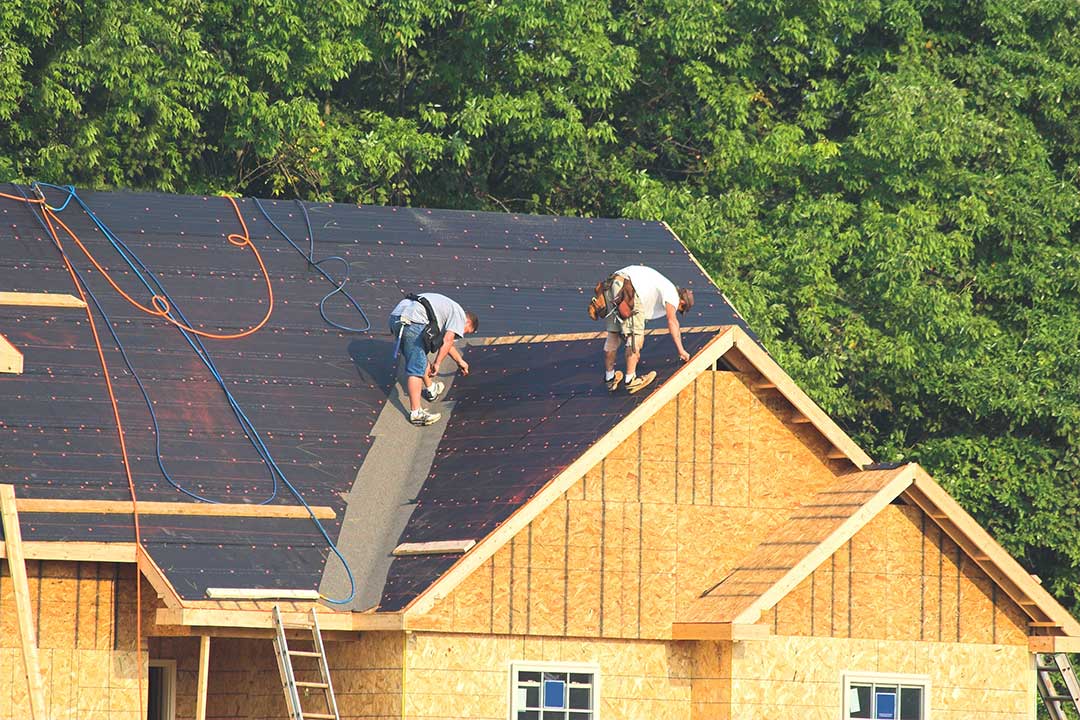
Proper sequencing matters. Flashing, underlayment, and edge protection help direct water away from vulnerable areas. Ventilation helps manage heat and moisture in the attic, but it must work with the existing attic design rather than being added without considering intake and exhaust pathways.
Local requirements may address permits, ice protection, shingle layers, and inspections. In Horseheads, re-roofing work may require a building permit, so homeowners should verify the applicable requirements for their property before work begins.
How long does a roof tear-off take?
Many straightforward roof replacements are completed in one or several working days, but the schedule depends on roof size, pitch, access, weather, number of existing layers, deck repairs, and material delivery.
A simple roof with good access may move quickly. A roof with steep sections, multiple additions, dormers, valleys, chimneys, or extensive wood damage can take considerably longer.
The tear-off itself may be completed before the entire project is finished. Installation, flashing work, ventilation details, inspections, and final cleanup are separate steps. A delay does not necessarily mean the project has stopped; crews may be addressing hidden damage or waiting for safe weather conditions.
What should residents expect inside the home?
Most disruption occurs outside, but interior effects are possible. Vibrations may loosen small amounts of dust from attic surfaces, and loud impact sounds can be heard throughout the house.
Before work begins, it is sensible to:
- Remove fragile objects from upper shelves and wall areas
- Cover items stored in an unfinished attic
- Keep pets indoors or away from the work zone
- Plan around daytime noise
- Avoid using rooms directly below active work if vibration is uncomfortable
- Identify ceiling stains that should be monitored after the project
A roof replacement should not normally damage interior ceilings, but new leaks or worsening stains should be reported promptly, particularly after rainfall.
How is cleanup handled?
Cleanup involves more than removing the main pile of shingles. Roofing nails and small fragments can collect near foundations, gardens, driveways, gutters, and lawn edges.
A thorough final cleanup may include ground inspection, magnetic sweeping, removal of protective coverings, gutter clearing, and checking for debris around entrances and outdoor living areas. Homeowners should also inspect less obvious locations such as side yards, window wells, attic access areas, and spaces beneath roof overhangs.
After the work is complete, visual checks should confirm that flashing is secure, vents are properly installed, roof edges are straight, and no exposed fasteners or loose materials remain.
What is the most important thing to understand?
A roof tear-off is both a removal project and an inspection opportunity. The condition found beneath the old roofing can be more important than the appearance of the shingles being removed.
For households in Horseheads, planning around seasonal weather, confirming local permit requirements, protecting belongings, and understanding that hidden deck repairs may arise can make the process more predictable. The finished roof depends not only on the new covering but also on the condition of the deck, edge protection, flashing, ventilation, and the care taken during installation.
