

What Is Roof Decking, and Why Does It Matter?
Roof decking, or sheathing, is the flat foundation layer between your home’s structural rafters and roofing materials. In Horseheads, NY, most homes rely on plywood or oriented strand board (OSB) for this purpose. The decking supports shingles, distributes weight, and helps keep out moisture. When it becomes damaged or compromised, other components of your roofing system can quickly follow suit—even before leaks appear inside.
How Can You Tell If Roof Decking Needs Attention?
The telltale signs aren’t always dramatic. Often, issues start subtle and may be mistaken for normal wear:
- A soft or spongy feeling when walking on the roof signals decay beneath the surface.
- Sagging areas or visible dips along the roofline (especially after a wet winter) suggest the structure underneath isn’t holding up.
- New or worsening leaks, water stains, or musty smells in the attic may point to compromised decking, not just shingle problems.
- Persistent mold, mildew, or unexplained humidity in attic spaces can indicate underlying wood is retaining moisture.
- Dark patches, rot, or visible gaps are visible cues when viewing the underside of decking from inside the attic.
Any of these should prompt a closer look, as Horseheads’ seasonal wet spells and winter freeze-thaw cycles accelerate wood deterioration.
Why Does Roof Decking Deteriorate in This Region?
Cold winters, spring rains, and summer heat all play a role in weakening decking in Horseheads. Extended periods of snow accumulation can cause ice dams, which let water seep beneath shingles. Once water reaches the decking, repeated freeze-thaw cycles cause expansion and contraction, promoting wood rot, delamination, and even eventual structural weakness.
Local homes with older roofing, poor attic ventilation, or insulation gaps are at higher risk. High humidity—including throughout warm, rainy periods—can further fuel mold and decay if attic airflow is blocked.
What Does Warped or Soft Decking Actually Look Like?
Many area homeowners are surprised at how obvious—or sometimes invisible—decking problems can be:
- From outdoors, look for irregular rooflines, indentations, or waviness in the plane of the roof.
- Inside the attic, use a flashlight to spot soft, discolored, flaking, or crumbling wood along the path beneath leaks or where roof valleys and eaves meet.
- Press gently on suspect spots; healthy wood should be firm. Areas that flex or crumble are likely compromised.
It’s common for only small sections to be affected, especially on the north-facing sides where sun exposure is limited and snow melts last.
Can Roof Decking Issues Cause Further Damage If Ignored?
Yes, untreated decking problems usually lead to more expensive repairs:
- Weak decking may not adequately support shingles, making the entire roof more vulnerable during windstorms or heavy snow.
- Moisture beneath the roof surface accelerates the deterioration of insulation and rafters, raising heating costs and comfort issues for area households.
- Over time, fungal growth can threaten indoor air quality, particularly in older homes with minimal attic ventilation.
- If compromised wood spreads, repairs may eventually require not only a new roof covering but removal and replacement of larger framing sections.
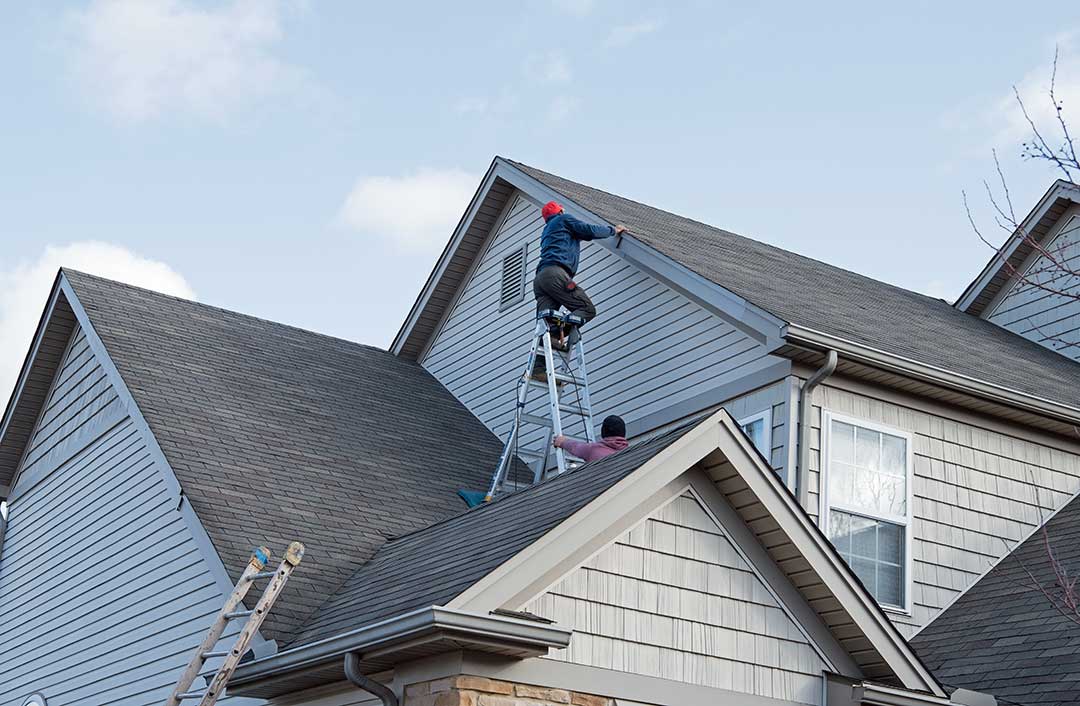
Early recognition can prevent the cascade of damage that leads to major structural repairs.
Are There Common Misconceptions About Decking Problems?
Absolutely. Many people in Horseheads believe that leaks inside the home always begin with a shingle issue. In reality, the source is often below the surface. Another misconception is that if you can’t see stains in the attic, the decking must be fine; in fact, damage often starts in small, concealed pockets where moisture lingers.
Another local habit is to patch or seal over visible leaks outdoors without inspecting attic wood, which rarely solves the issue if decking decay is present.
How Should Residents Check Their Roof Decking Safely?
Direct roof walking can be risky, especially on older structures where wood might not support weight. The safest approach for most residents is to inspect the attic with a flashlight after major storms or snowmelt events. Look for:
- Discoloration, dampness, or soft wood on the underside of roof boards
- Rusted nails, which indicate trapped moisture just above the deck
- Unusual smells, which can accompany hidden mold development
For those comfortable inspecting the exterior, scan the roof for new sags, waviness along the ridgeline, or shingle buckling. Binoculars from the ground can help catch problems without risking injury.
What Overlooked Factors Affect Roof Decking Longevity?
Proper attic ventilation is one of the most overlooked influences on decking health in the region. Modern building standards in Horseheads encourage ridge and soffit vents, but older homes often lack them. Blocked or minimal airflow traps both moisture and heat, dramatically shortening decking lifespan.
Pay attention if ice dams repeatedly form or attic temperatures swing dramatically with the seasons; these are warning signs that ventilation or insulation adjustments could help prevent future problems.
By staying attentive to subtle changes and understanding the unique demands of Horseheads’ climate on roof decking, local households can better protect their homes from hidden roofing concerns.
