

How Do High Winds Threaten Roofs in Horseheads, NY?
High winds are a common concern for homeowners in Horseheads, especially during seasonal storms and winter fronts. Sudden gusts and sustained blustery conditions can test even well-maintained roofs. Wind damage here usually happens when gusts exploit small weaknesses—like lifted shingles or loose flashing—working their way under roof materials, causing sections to tear away or water to seep underneath.
Roofs are designed to withstand typical wind loads, but local weather can quickly surpass these expectations. In this area, wind events often coincide with rain or snow, multiplying the risk of leaks and longer-term issues.
What Parts of the Roof Are Most Vulnerable?
The edges and corners of a roof are usually at the highest risk during wind events. This is because the wind’s force is concentrated on these zones, and any minor compromise—like cracked sealant or a slightly raised shingle—gives gusts the leverage to do more damage.
Shingles in the field (center) of the roof are better protected by adjacent materials, but once wind lifts or breaks outer shingles, it can strip the underlying rows like dominoes. Features such as chimneys, skylights, and vent pipes can also become entry points for wind-driven rain if their flashing is damaged.
Can You Spot Wind Damage from the Ground?
Some indicators of wind damage can be seen safely from the ground or upper story window:
- Missing shingles or visible bald spots
- Shingles curled, creased, or flapping in the wind
- Fascia, gutters, or flashing that looks bent or out of place
- Pieces of shingle or roofing material scattered on the lawn
Not all wind damage is obvious initially. Sometimes, a roof appears intact, but seams have been compromised, allowing water to penetrate later on. Ice damming, common in local winters, can worsen this by expanding these gaps.
What Types of Roofs Are Most at Risk in the Area?
Many houses in Horseheads have asphalt shingle roofs, which offer a reasonable balance between cost and durability but are vulnerable to severe winds, especially as they age. Over time, nails can loosen and shingles become brittle, making wind uplift easier. Other roof types, like metal or newer composite roofs, often resist wind better but can still sustain damage at ridges and edges or from flying debris.
Homes with older roofs, those with overhanging tree limbs, or those sitting in open exposures are particularly susceptible. Detached garages and sheds—often roofed with thinner materials—are also more likely to lose sections or entire panels.
How Does Horseheads’ Climate Make Wind Damage Worse?
Late fall through early spring brings strong windstorms and heavy snow in Horseheads. When wind is paired with saturating rains, melting snow, or ice, existing weaknesses are quickly exploited and even minor wind damage can lead to large leaks. The freeze/thaw cycle can widen gaps created by wind, accelerating deterioration.
Seasonal yard cleanup often reveals shingle granules or small branches, clues that wind and weather have taken their toll and that the roof may need closer inspection before another storm hits.
What Should Residents Do After a Windstorm?
Immediately after strong winds, local residents can:
- Walk the perimeter of the home, visually checking the roof, gutters, and yard for clues of missing materials or damage
- Look inside the attic and top floor ceilings for dampness, stains, or daylight coming through the roof boards
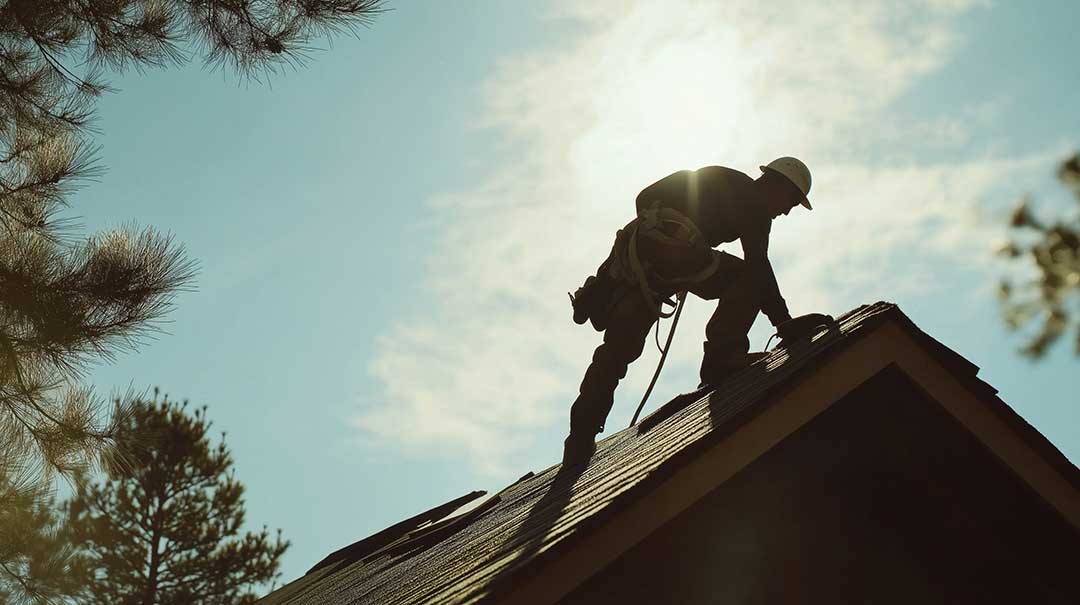
If there is significant visible damage or leaks, temporary steps—like tarp placement—may help prevent water from entering until longer-term repairs can be addressed. If safe roof access is not possible, it’s best to inspect from the ground and avoid climbing ladders in hazardous conditions.
What Are Common Misconceptions About Wind Damage?
Many property owners believe only tornado-strength winds can damage a roof, but in reality, gusts as low as 40-50 mph can peel back loose shingles, with more severe gusts causing serious harm. Another misconception is that new roofs are immune to wind damage. Even a recently installed roof can suffer if installed improperly, or if flashing and edges were not tightly secured.
Additionally, some underestimate the delayed effects: wind may not cause immediate leaking but can leave hidden vulnerabilities, such as lifted shingles or loose nails, that only leak after the next rainstorm.
How Can You Lower the Risk of Wind Damage?
While no roof can be made invincible, certain practices can help:
- Trim tree branches that could fall or whip against your home
- Secure outdoor furniture or objects that could become airborne
- Regularly inspect the roof, especially after storms
- Replace aging or damaged shingles and reseal flashing
- Clean gutters so wind-driven rain can drain away instead of backing up under shingles
Local building codes often require that new roofs and repairs meet specific wind resistance standards, helping area homes withstand Horseheads’ distinctive weather. These requirements, along with regular homeowner vigilance, are a critical part of keeping roof structures sound and water-tight year-round.
